
Food sensitivity, food allergy and food intolerance are often used interchangeably. Should they be? I’d like to suggest that they are very distinct and deserve to be addressed as such. In addition, once you realize the simplicity of their differences you’ll have a significantly better understanding of the processes that are affecting you. In order to clarify these differences let’s first review some basic definitions used to describe some of the functions of the immune and digestive system.
Antibodies: It is a large Y-shaped protein produced by the immune system. Its job is to recognize foreign protein and then neutralize it. It’s what happens when you get a cold, the bacteria or virus is recognized and then neutralized by antibodies.
Enzymes: In simple terms enzymes help breakdown things. The important thing to note is that enzymes are very specific for what they break down. Therefore, your body has thousands of different enzymes in your body to efficiently break down very specific compounds. Without the enzyme the process may not occur at all or at a very reduced rate. In the digestive system, enzymes help break down food into smaller units.
Both food allergy and food sensitivity are antibody mediated reactions against food. The antibody recognizes a food protein as harmful and tries to neutralize it. If this is similar then what is different?
We have different types of antibodies in our body. Different types of antibodies react differently to neutralize the foreign invader.
Food allergy
Food allergy is mediated by an antibody called IgE. When this type of antibody reacts with a foreign protein it immediately elicits some of of the following typical reactions. Food allergy reactions can vary from uncomfortable to life threatening. Skin irritation, redness, swelling are often seen. Difficulty breathing can be ominous and represents tightening of the air passageway. Other symptoms such as hoarseness of voice, stuffy and runny nose, itchy and red eyes as well as nausea and vomiting can been seen with food allergies.
Food sensitivity
Food sensitivity is mediated by an antibody called IgG. IgG antibodies react very differently from IgE. In food sensitivities, when IgG antibody react with a foreign protein, it elicits a milder, slower and non typical reaction. The reactions vary from migraines, to increased behavioural difficulties in children with ADHD, to chronic digestive concerns, decreases in energy and other vague symptoms. Here’s the killer news. Unlike a food allergy, food sensitivities are very hard to diagnose. This is because their impacts can be seen 24 to 48 hours after the ingestion of the offending food. There are two ways that can help identify food sensitivities one is a strategic hypoallergenic diet. The other is an IgG food sensitivity blood test. This tests how reactive your IgG antibodies are against various foods. The higher the reactivity the higher likelihood a food sensitivity might be present. This test isn’t perfect but can really be a good starting point in assessing potential food sensitivity.
Food allergy & Food sensitivity: How they react differently.
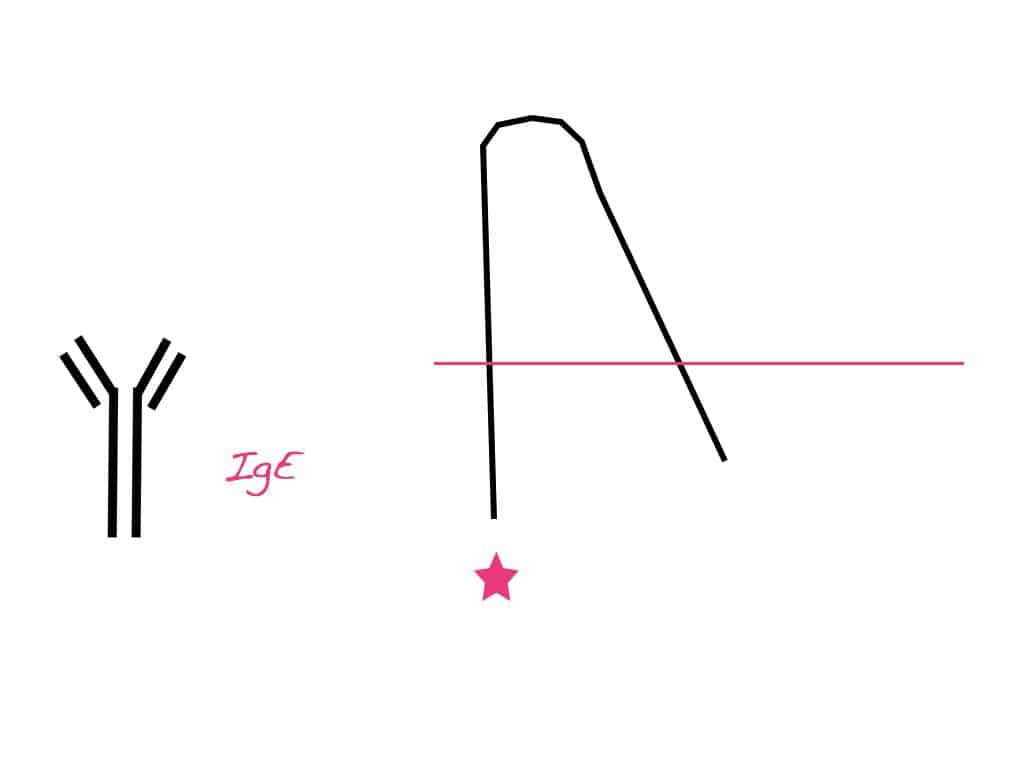
Here’s a diagram to simplify their difference. Imagine the pink line represents the symptom threshold- when you cross this line you have symptoms. The star represents the ingestion of the allergic food item.
Food allergy and IgE
With a food allergy, as soon as the offending food is ingested the IgE levels rise and react quickly. The allergic symptom threshold is always reached. Avoidance of this offending food is necessary as it can be life threatening. The levels of IgE will also drop relatively quickly and within 5-7 days you typically no longer have any symptoms.
Food sensitivity and IgG
With food sensitivity, the offending food is ingested and the IgG antibody levels rise slowly and linger around for up to 3 weeks. This is what makes a food sensitivity so hard to diagnose. You first ingest the offending food sensitivity and you are symptom free. This is because you are still far from your symptomatic threshold. In a few days, you ingest this same food item and again no symptoms. What you don’t know is that your IgG antibody levels have accumulated with those of your last exposure. Third time is a charm, you ingest the food sensitivity and this time you get “fill in the symptom blank”: a migraine, constipation, weight gain, water retention, dermatological outbreak, general fatigue etc. Please note in this example I used 3 days but this is for illustrative purposes and is not literal. It’s confusing. The symptoms don’t appear immediately, it is hard to link exposure to symptoms and you are left non strategically removing and adding foods hoping something will change. This can be a frustrating way to figure things out. Unlike an IgE food allergy were every single exposure is followed by symptoms, IgG food sensitivities depends on frequency and dose of the exposure.

Food intolerance
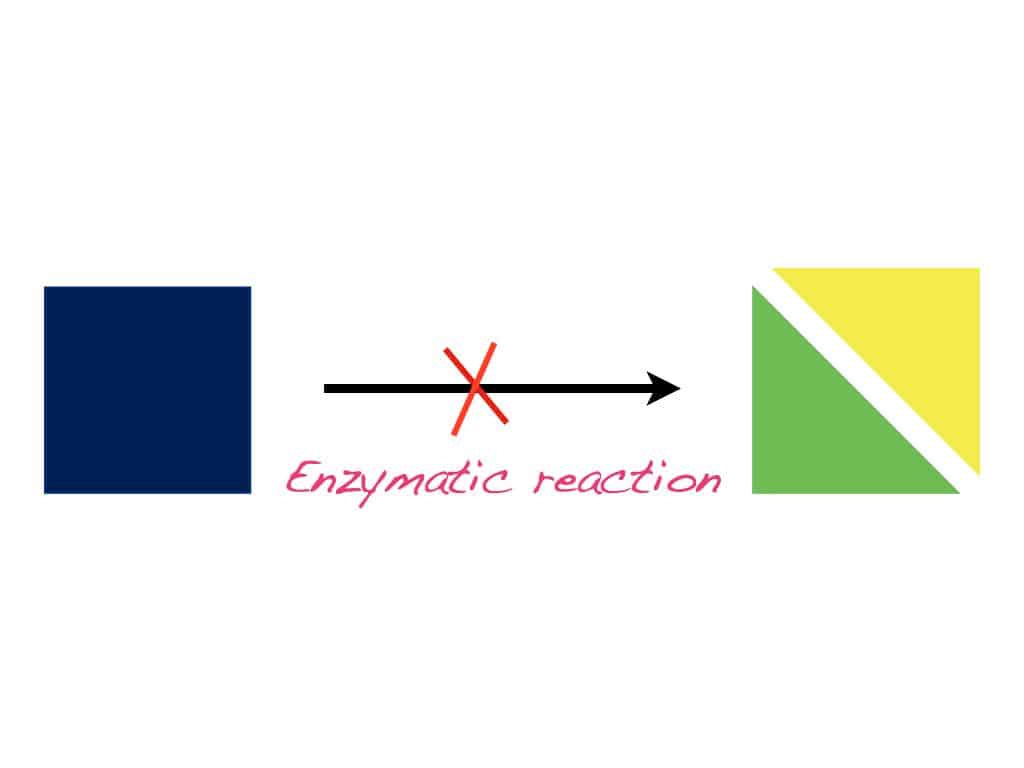
Food intolerance represent an enzyme deficiency. Our body can’t break it down and it typically causes digestive concerns. The most infamous example is that of a lactase enzyme deficiency. This enzyme is important in breaking down lactose found in dairy products. The lack of this enzymes results in gas, diarrhea and discomfort.
I work with many individuals strategically to figure out potential food sensitivity reactions. The goal isn’t to eliminate a food for the rest of your life although significant avoidance for a period of time is sometimes necessary. Following the 4R GI restoration program we can in most cases improve the integrity of the gut lining so that you can once again tolerate the offending food. The reality is when you figure out what’s bugging you and you understand the symptoms it generously provides it makes avoiding it much easier.
PS: If you learned a thing or two please share this article via facebook, retweet, or google+ it. If you would like future articles delivered into your email box sign up for email updates on your right.